

Solar PV Systems: From Sunlight to Usable Electricity
How solar photovoltaic systems work: PV modules, inverters, MPPT, and the components that turn sunlight into dependable AC power.


The Solar PV Chain
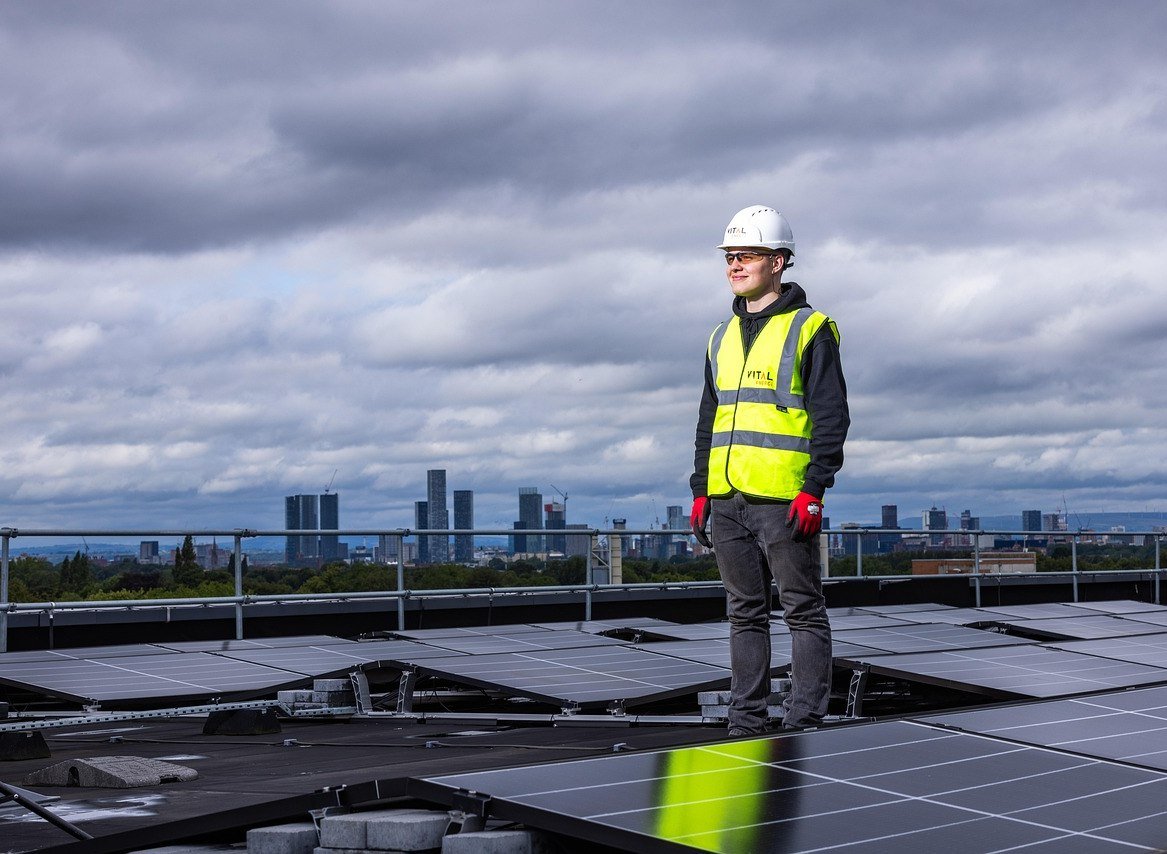
Solar photovoltaic systems convert sunlight directly into electricity using semiconductor materials. The basic chain is simple: sunlight strikes PV modules, which generate DC electricity; an inverter converts that DC into the AC electricity used by buildings, batteries and grids.
PV modules are electrically connected into strings, sub-arrays and arrays, and the complete array feeds one or more inverters.
Module Technologies
Modern module technologies include monocrystalline silicon, TOPCon, HJT, PERC and bifacial modules. Specifications that matter include rated power in watts peak (Wp), efficiency, cell technology, temperature coefficient, mechanical load rating and warranty.
The Inverter and MPPT
PV panels produce direct current (DC) while most buildings and grids operate on alternating current (AC). The inverter performs that conversion and can also provide grid synchronization, voltage and frequency regulation, reactive power control, anti-islanding protection, battery management, remote monitoring and fault detection.
Maximum Power Point Tracking (MPPT) continually operates the PV array near the point where it produces maximum available power, adjusting as irradiance, temperature, cloud cover, shading and soiling change through the day.
Configurations
Off-grid: solar plus battery serving loads with no utility grid. Grid-tied: solar operating in conjunction with the utility network. Hybrid: solar plus battery plus grid or generator. The right configuration depends on the site, the load and the reliability requirement.


