

What a Transformer Actually Does
Transformers step voltage up for transmission and down for distribution. Here is why that matters, and what is inside the tank.


Electromagnetic Induction
A transformer is a static electrical device that transfers electrical energy between circuits through electromagnetic induction while changing voltage and current levels. It is fundamental to electrical transmission and distribution.
Step Up, Step Down
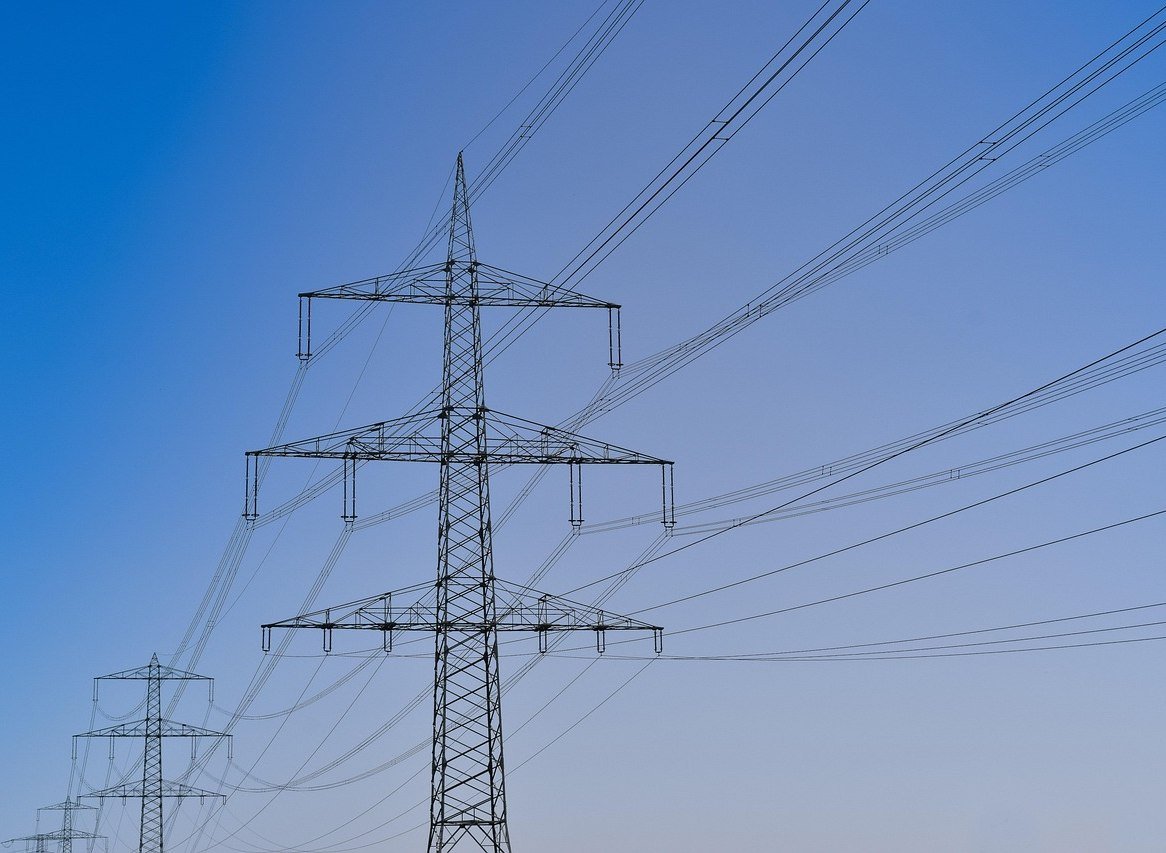
Electricity is commonly transmitted and distributed at voltages different from what end users need. Step-up transformers raise voltage, reducing current and therefore transmission losses. Step-down transformers lower voltage: a distribution transformer reduces distribution-line voltage to the level required by homes and businesses.
Inside a Transformer
Major components include the core, windings, insulation, tank, insulating oil in oil-filled units, bushings, tap changer, conservator, breather, radiators, cooling system, protection devices and the earthing arrangement.
Oil-filled units use insulating liquid for electrical insulation, heat transfer and cooling, and require oil maintenance, leak inspection, temperature monitoring, protection, earthing and fire-safety consideration. Dry-type transformers use no liquid insulation and are common in buildings, indoor substations and commercial facilities.
Ratings and Protection
Transformers are specified by kVA or MVA, with primary and secondary voltage, vector group, impedance, tap range, insulation level, cooling method, temperature rise and short-circuit withstand. Protection can include fuses, circuit breakers, surge arresters, overcurrent and earth-fault protection, differential protection, Buchholz relay, oil and winding temperature protection, pressure relief and lightning protection.


