

Microgrid vs Mini-Grid: Related but Not Identical
A microgrid is a localized system that can operate independently; a mini-grid is a localized network supplying multiple customers. In Nigeria, mini-grid is the regulatory term.
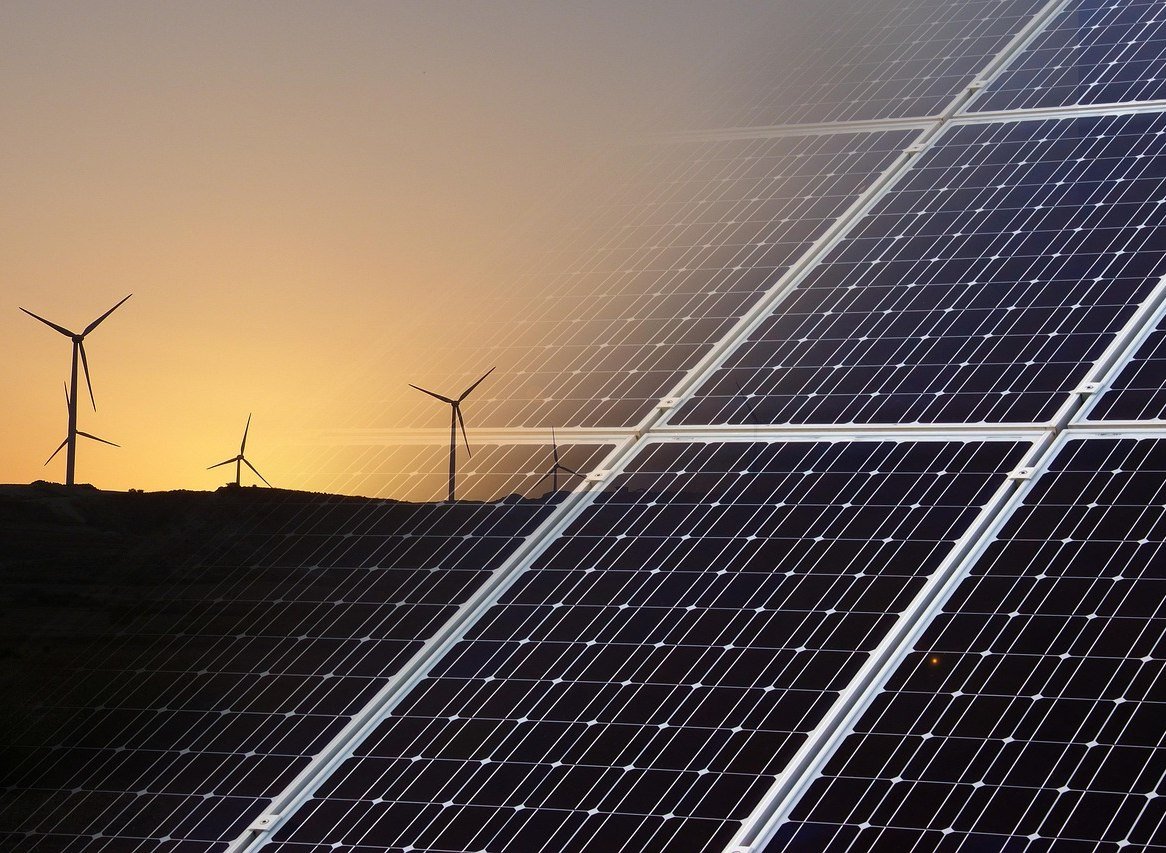


Microgrid
A microgrid is a localized electric system that can operate independently from the main grid under appropriate configurations. Typical environments include hospitals, campuses, industrial sites, military facilities, data centers and commercial facilities.
Mini-Grid
A mini-grid usually refers to a localized electricity network supplying multiple customers, particularly in electricity-access and distributed-generation contexts.
For a Nigeria-focused company, mini-grid is the important commercial and regulatory term: it is the class of system addressed by the NERC Mini-Grid Regulations 2026 and the REA's electricity-access programmes.
Hybrid Systems
Both can be hybrid: solar plus battery plus diesel generator plus grid, or solar plus wind plus battery. Hybrid systems are useful where a single energy source cannot reliably satisfy demand, and storage can allow solar energy to displace some diesel operation.
Distributed Energy Resources
Rooftop solar, battery storage, small generators, distributed wind, fuel cells and EV charging resources are all distributed energy resources (DERs): smaller-scale resources located close to where electricity is consumed, rather than operating exclusively through large centralized generation.


