

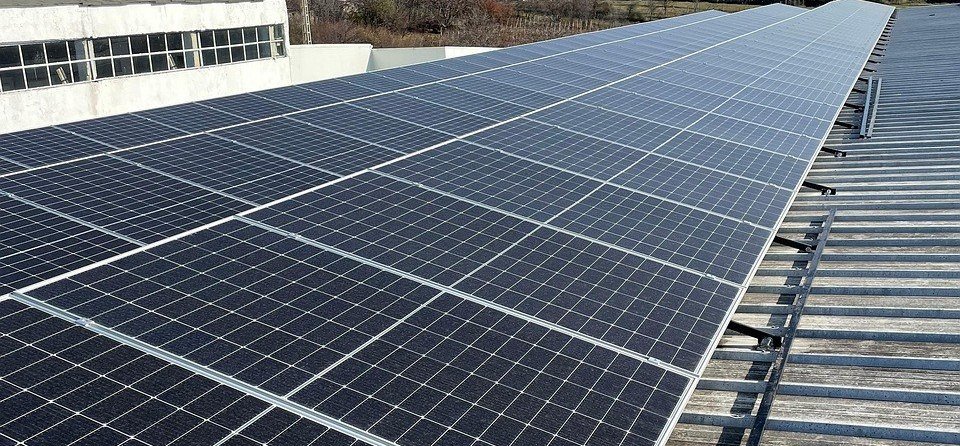
Service Overview:
Solar photovoltaic (PV) systems convert sunlight directly into electricity using semiconductor materials. The basic chain runs from sunlight through PV modules to DC electricity, then through an inverter to usable AC electricity that serves loads, charges batteries or feeds a grid connection.
Solar PV can serve homes, businesses, industries, schools, hospitals, farms, telecom infrastructure, government facilities, remote communities and utility-scale generation plants.
What's Included in Solar Energy Systems:
Energy and load assessment: how much electricity is consumed, when it is consumed and what peak demand looks like.
System sizing: PV capacity, battery requirements, autonomy and system losses, including inverter, cable, battery, temperature, mismatch and soiling losses.
Equipment specification: PV modules (monocrystalline, TOPCon, HJT, PERC and bifacial technologies), string, central, hybrid and grid-forming inverters with MPPT, and charge controllers.
Installation, testing and commissioning: PV string testing, polarity and insulation testing, Voc and Isc testing, and performance verification.
Grid-tied, off-grid and hybrid configurations: solar with grid, solar with battery, or solar plus battery plus generator combinations.
Inverter Technology:
The inverter converts the DC electricity produced by PV panels into the AC electricity used by buildings and grids. Modern inverters also provide maximum power point tracking (MPPT), grid synchronization, voltage and frequency regulation, reactive power control, anti-islanding protection, battery management, remote monitoring, fault detection and, in advanced systems, grid-forming operation.
String inverters suit commercial installations, distributed solar and rooftops. Central inverters suit large plants and utility-scale solar. Hybrid inverters combine PV, batteries and loads for homes, SMEs, commercial buildings and hybrid mini-grids. Grid-forming inverters can establish voltage and frequency references for a microgrid or restart a local grid after disruptions.
Reliable, renewable generation.
Every system is engineered around real energy requirements: measured demand, verified solar resource and the operating profile the customer actually needs.
Have a project in mind? Talk to our team.
Let’s Build Together


